

 No Comments
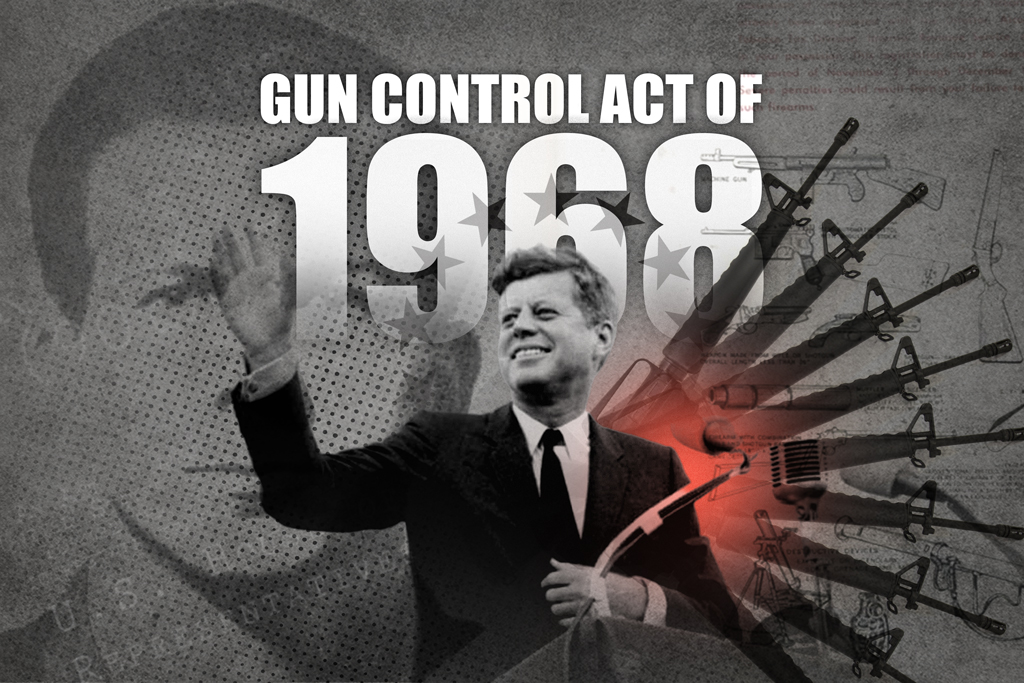
 Lyndon B. Johnson signed the Gun Control Act (GCA) into law on October 22nd, 1968. Its chief function is to regulate interstate firearm commerce, making it legal only for licensed manufacturers, dealers, and importers. It is Title I of the United States’ firearm laws. The National Firearm Act (NFA), despite predating the GCA by 34 years, is Title II.
What Is the Gun Control Act?
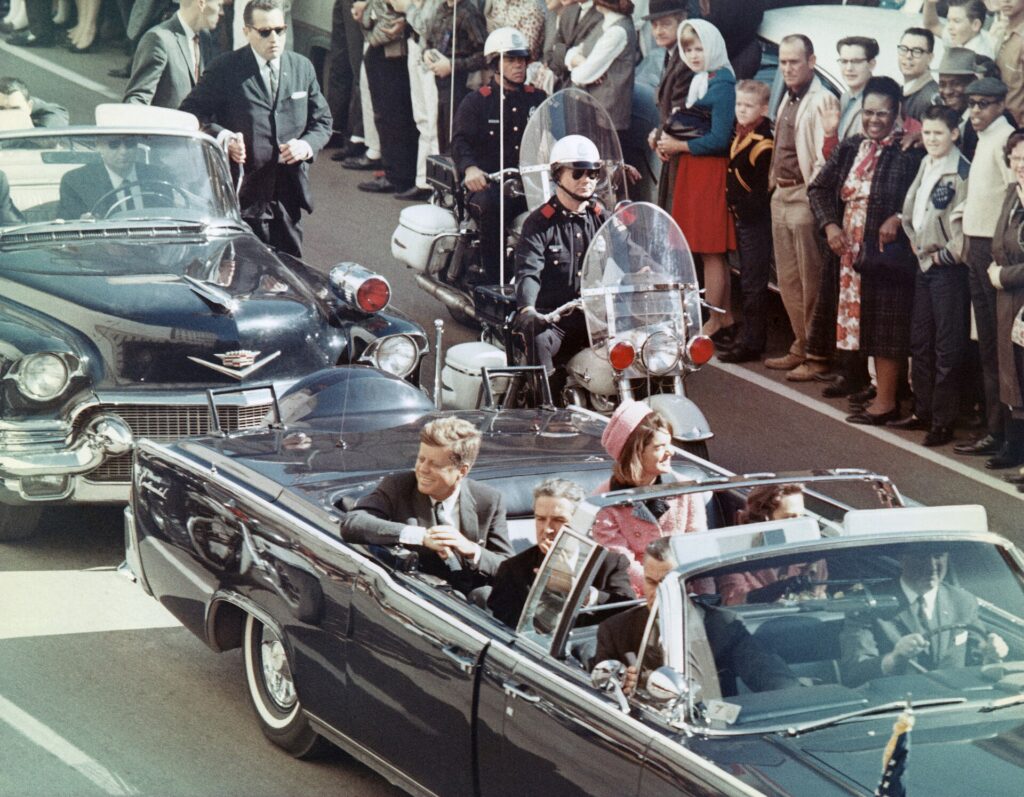
Presidential assassinations (or at least attempts at them) are common justification for new firearm regulation. The attempt on president elect Franklin D. Roosevelt’s life in 1933 was a large motivator behind signing the NFA into law. Likewise, the GCA has its roots in the Kennedy assassination.
(It is important to note, however, that not all presidential assassination attempts result in more gun control. Two years after Reagan was shot he said “It’s a nasty truth, but those who seek to inflict harm are not fazed by gun control laws. I happen to know this from personal experience.”)
Lee Harvey Oswald purchased the 6.5x52mm Carcano Model 91/38 infantry rifle that he used to murder the president from a mail-order ad in a magazine. After the requisite amount of bloviating congress finally banned such sales with the Gun Control Act in 1968. The GCA does more than that alone, though.
Who Is Affected by the Gun Control Act?
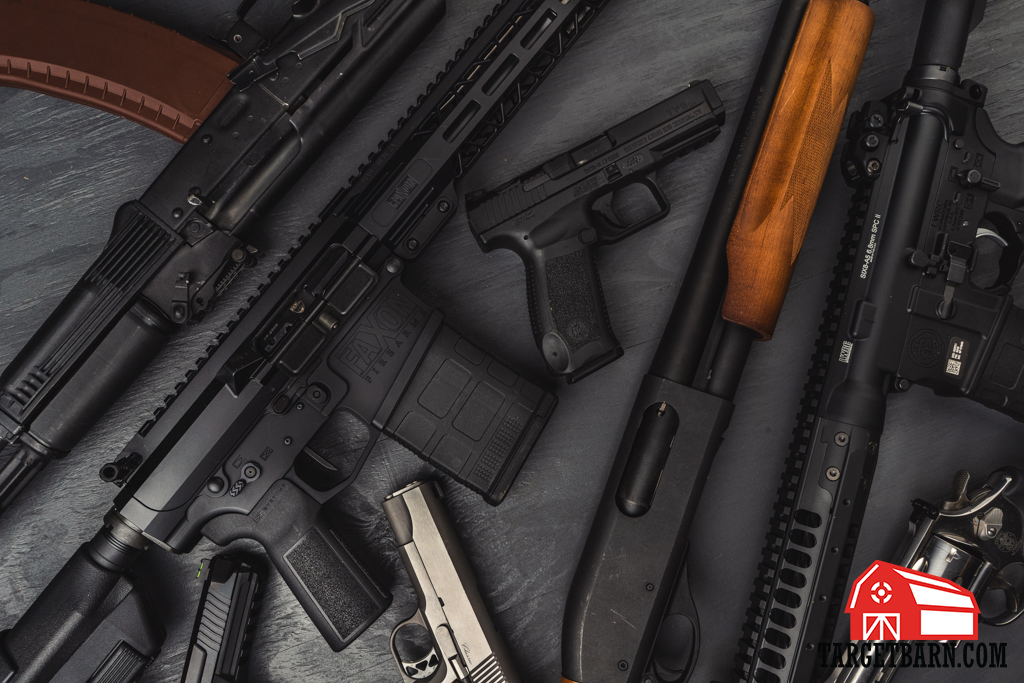
In addition to doing away with mail-order rifles and shotguns, the GCA also prohibits certain people from owning firearms. The 1993 addition of the Brady Handgun Violence Prevention Act to the GCA created the criminal background check that you have to endure whenever you purchase a firearm today. It also identified individuals who may not possess a firearm:
- Anyone convicted of a crime punishable by more than one year imprisonment
- Fugitives from justice
- Illegal drug users
- People diagnosed as “mental defectives,” or who have been committed to a mental institution
- Illegal aliens, people who have renounced their American citizenship, and dishonorable discharges
Although some states restore the right to vote to ex-convicts, currently no states permit them to purchase firearms again. It would likely put a near instant end to any attorney general’s career if they changed that practice, only to have an ex-con subsequently commit some atrocity with a legally purchased weapon.
Age Restrictions
The GCA is the reason why people under 18 can’t be in possession of a handgun, save for in certain situations such as when they are target practicing or taking hunting safety courses. Interestingly, in 2011 the ATF interpreted legislation to mean that holders of legal medical marijuana cards are prohibited from receiving or possessing firearms. They probably did so because they hate fun. (Legal Disclaimer: Never operate a firearm while under the influence of drugs or alcohol, even if your doctor advised that you toke up for your lumbago.)
Serial Numbers
The GCA is also the reason why newly manufactured firearms bear serial numbers. Older weapons do not need to be retrofitted with serial numbers, but removing a serial number is a felony. At one point in the television show Breaking Bad, Walter White purchases a revolver with a destroyed serial number. As the illegal gun dealer explains: “That there is why you’re going to pay me five times what you’d pay your neighborhood gun store.”
The GCA bans the import of firearms that are not for sporting purposes. Plinking and combat-style competition are not considered sporting purposes. You can not argue that you’re importing a surplus MG 42 so you can shoot cans in your backyard. You sure could shoot a lot of them with one, though.
The Federal Firearms License
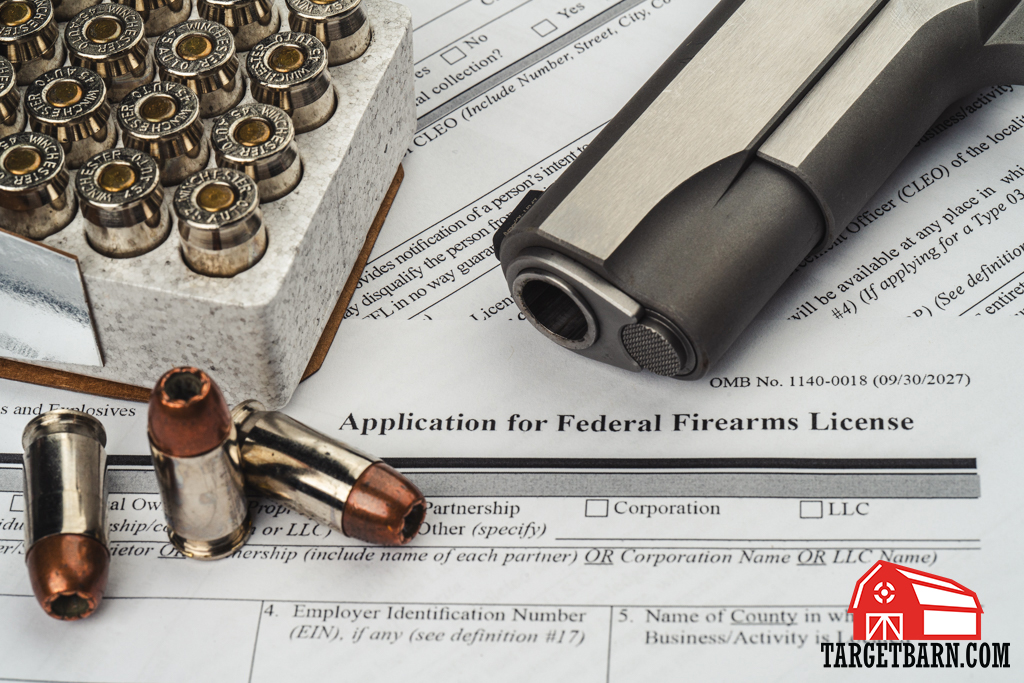
The GCA requires that individuals and companies get a Federal Firearms License (FFL) before selling firearms. The FFL is the reason why you can still order a firearm online, but have to have it shipped to a gun store or reputable dealer. It’s also why you need a license to purchase a handgun while you are outside your state of residence. You can still buy a rifle or a shotgun during your visit to another state, however, provided that the seller has an FFL and the transaction is permitted by both states involved.
Individuals from two different states can not sell firearms to one another without involving a licensed dealer. Residents of the same state may sell to one another, so long as they’re not breaking any other laws. You do not have to perform a criminal background check if you’re legally selling a firearm to someone and you don’t have an FFL. If you don’t have an FFL, you can not buy and sell firearms professionally. The exception is applicable to the couple of recreational shooters arranging a transfer via a site like Armslist.
Note that sales of antique firearms are not as greatly impacted by the GCA. The government seems less concerned about people purchasing Pattern 1776 infantry rifles.
The Takeaway
Naturally, you don’t want to break any of the rules created by the GCA. Doing so means you’ll probably lose a lot of money, but on the up side you might make new friends in prison.
If you’re purchasing a firearm from out of state, make certain you involve an FFL holder in the transaction. Purchasing a firearm from an individual who shares residence in your state is generally okay, but take necessary precaution in such transactions. And if you’re planning on placing an advertisement selling mail-order machine guns in your local newspaper, you may want to rethink your business strategy.
Legal Disclaimer: We are not authorities on the law. We watched an episode of Boston Legal once, but we didn’t like it because William Shatner wasn’t playing a spaceship captain. The point we’re trying to make is that while we hope to inform you, we are not the ones to count on for legal advice. Find someone who owns a collection of pinstripe suits for that.